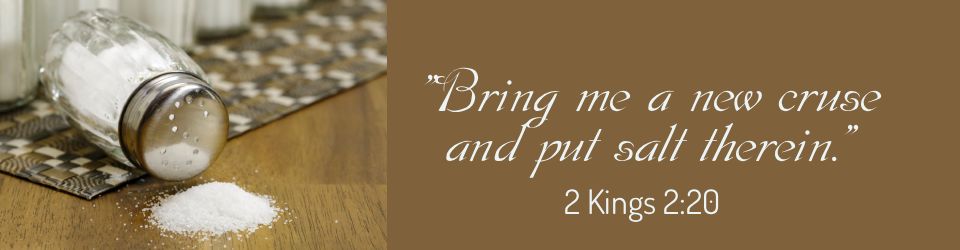
I grew up in a family who used the saltshaker liberally. My dad, in particular, loved his salt. He would even salt his food before tasting it.
Years later, he developed high blood pressure, congestive heart failure, and eventually, kidney failure leading to dialysis. In trying to manage these conditions, salt became the enemy.
Thankfully, he was able to come off dialysis after four months, but we still had to closely watch his sodium and fluid intake. While he lived at home, he remained pretty compliant (though the salt shaker still sat by his plate), but when he moved into assisted living, he rebelled. I had asked the nurses and dietary aides to limit his salt and liquids, but he became irate with them. After two weeks of squabbles, I told them to back off. Once they did, he settled in and became more amenable, although I did add one more reminder that dialysis was not a path he wanted to venture down again.
We often have to balance keeping our loved ones healthy and keeping them happy. If you’re caring for someone who requires a low-sodium diet, here are a few facts and tips that might help.
How much is too much?
Recommended sodium intake for a normal, healthy adult is 2300-2500 mg. of sodium (approximately 1 teaspoon) per day—from all sources. I have high blood pressure and try to limit my intake to around 1500 mg. It’s not easy, and unfortunately, we caregivers have to act as the first line of defense in lowering sodium intake.
Become educated
Salt is not just found in the saltshaker. If you shop for and especially if you cook for your loved one, your first step is to learn to read labels. Nutritional information, including sodium content, is listed on all prepackaged foods, but it can be misleading. You not only have to look at the amount of sodium in the item but the serving size. The manufacturer may say a 15-oz. can of vegetables contains 3½ servings. So if one serving provides 300 mg. of sodium and they eat half the can, that’s 525 mg. Tricky. But once you become used to reading labels for the foods most served, it’s not as time-consuming.
Next month, we’ll take a closer look at helping our loved ones limit sodium.
And [Elisha] said, Bring me a new cruse, and put salt therein. And they brought it to him.
2 Kings 2:20 KJV

Tracy Crump dispenses hope in her award-winning book, Health, Healing, and Wholeness: Devotions of Hope in the Midst of Illness. A former intensive care nurse, she cared for her parents and her mother-in-law and understands both the burdens and joys of caregiving. Her devotions have been featured in Guideposts books, The Upper Room, and many other publications, and she has contributed 29 stories to Chicken Soup for the Soul® books. She also conducts writing workshops, produces a newsletter for writers, and does freelance editing. But her most important job is Grandma to eight completely unspoiled grandchildren.


