
In 1970, my grandfather suffered a heart attack on the way home from a trip out West. He was stabilized at the hospital, but medical protocol at the time stipulated that patients had to recover before undergoing a coronary artery bypass graft. A second heart the next morning claimed his life. He was 78. If stents had been available or if doctors had proceeded with a bypass graft, he probably would have lived many more years.
In 1978, my grandmother was admitted to the hospital for cancer treatments. Doctors kept her on bed rest for a month while she received chemotherapy. As she lay in bed, her heart grew weaker and weaker. Despite her cancer going into remission, she passed away from congestive heart failure at the age of eighty. Nowadays, chemotherapy would have been administered on an outpatient basis while she remained as active as possible at home.
Advancements—not only in medications, surgery, and treatment but also in patient care—have made such a difference in longevity and quality of life. Conditions that were considered death sentences a few decades ago are treatable today.
Currently, a close relative is undergoing monthly Kisunla infusions to slow the progress of Alzheimer’s. One day, medical science may find a way to halt this dreaded disease.
Sometimes fear, anxiety, or exhaustion makes it hard to recognize these developments. But doing research, staying in touch with doctors, and asking questions can help us offer our loved ones as productive a life as possible.
However, sometimes we don’t know what we don’t know. So how do we decide what questions to ask? Here is a general checklist of questions to take to your doctor. You can tailor them to your specific needs. You can also ask about available treatments, medications, or specialists who might help.
When researching, we have to be careful what sites we consult. Medical misinformation is rampant on the Internet, and charlatans are always ready to take our money for products that provide no benefits. I stick to major medical center websites, such as the Cleveland Clinic, Mayo Clinic, and National Institute of Health. To look up medications, I like Drugs.com.
I’m so thankful God supplies doctors and scientists with knowledge to make advancements that benefit both our loved ones and us, and that we have resources to tap into the best medical care in the world.
We continually ask God to fill you with the knowledge of his will
through all the wisdom and understanding that the Spirit gives,
so that you may live a life worthy of the Lord and please him in every way:
bearing fruit in every good work, growing in the knowledge of God.
Colossians 1:9-10 NIV
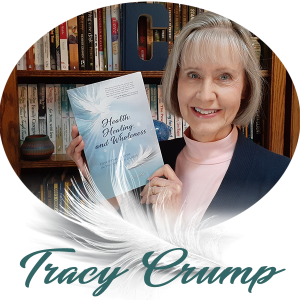
Tracy Crump dispenses hope in her award-winning book, Health, Healing, and Wholeness: Devotions of Hope in the Midst of Illness. A former intensive care nurse, she cared for her parents and her mother-in-law and understands both the burdens and joys of caregiving. Her writing has been featured in Guideposts books, The Upper Room, Focus on the Family, and many other publications, and she has contributed 28 stories to Chicken Soup for the Soul® books. She also conducts writing workshops, freelance edits, and produces The Write Life newsletter for writers. But her most important job is Grandma to five completely unspoiled grandchildren.



Such helpful information, Tracy. Thank you.
Thank you for joining in the conversation, Diana.